What Should Schools Look for in Early Childhood Educators?
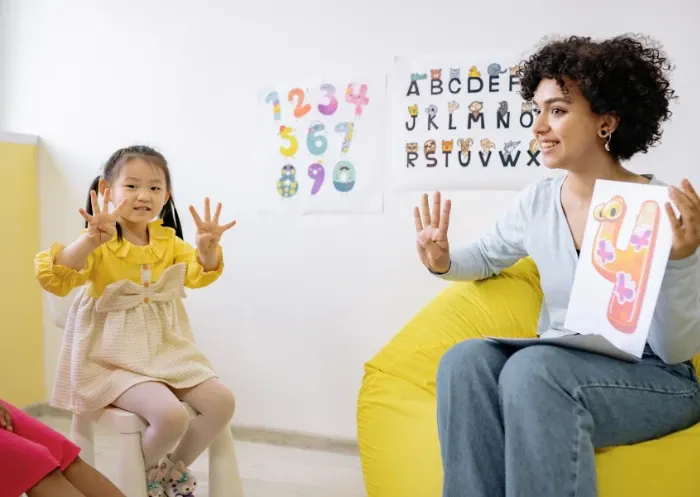
Hiring Early Childhood Educators shaped how I built strong Full-Day Kindergarten teams in my roles as vice-principal and principal. The difference between good programs and exceptional ones showed up in interview responses.
Here's what I'd focus on to identify the right hire.
Play as Pedagogy
"How do you make snack time a learning moment?"
Standout candidates described passing fruit while teaching colors and vocabulary ("red apple, crunchy carrot"), or setting the table to practice sharing and turn-taking.
They connected routines to How Does Learning Happen?, incorporating strategies that support Belonging, Well-Being, Engagement, and Expression with clear examples.
This reveals how they embed learning into everyday moments. Just like mud kitchens build math through measuring, dress-up encourages empathy through role-play, and outdoor walks spark science questions, snack time becomes a meaningful learning opportunity.
Understanding Child Development
"Walk me through supporting big drop-off emotions."
Strong ECEs described clear, practical steps: greeting with a calm presence and naming emotions, offering a short goodbye routine, and giving children simple choices like a cozy corner or a puzzle.
They explained co-regulation strategies such as breathing together before returning to play. Their responses were detailed, realistic, and immediately usable.

Building Strong Family Partnerships
"Describe a tough parent conversation."
Top candidates shared examples of communication through learning stories, pickup conversations, and inclusive classroom events.
Cultural awareness and sensitivity stood out, especially in diverse classroom settings where trust needed to be built quickly.
Collaboration and Teamwork
Full-Day Kindergarten relies on strong collaboration between ECEs and classroom teachers.
"How do you align planning with your teaching partner?"
Look for clear communication, shared planning, and flexibility. Strong candidates adapt quickly when schedules change or resources are limited.
Creativity and Resourcefulness
"Show me how you turn limited supplies into engaging play."
Great ECEs described using recyclable materials to create meaningful activities, such as cardboard box vehicles for dramatic play or bottle cap sorting for math.
They framed challenges as opportunities for creativity, bringing a positive mindset that strengthens school culture.
Responding to Current Classroom Needs
"How do you support children with lingering anxiety? How do you use technology in your classroom?"
Strong responses included trauma-informed practices like emotional check-ins and creating safe spaces to support children adjusting to disrupted routines.
They also demonstrated balanced use of technology, using digital tools to communicate with families while prioritizing hands-on, play-based learning experiences.
Joy remained central, with technology enhancing—not replacing—child-led exploration.
Red Flags to Watch For
- Over-reliance on screens
- Rigid approaches to routines
- Negative or inflexible mindset
How to Evaluate the Right Candidate
Use scenario-based questions like "How would you handle a toddler meltdown at drop-off?"
Strong candidates respond with clear, calm, and specific steps. Their answers should feel practical and grounded in real classroom experience.
Final Thoughts
Early Childhood Educators reveal their fit through detailed, story-driven responses that highlight relationship-building, adaptability, and positive energy.
The best candidates make it easy to picture them thriving in a Full-Day Kindergarten team.
Strong ECEs increase student engagement, support classroom teachers, and bring specialized knowledge of early childhood development—creating smooth, joyful learning environments that benefit everyone.
More resources for early Childhood Educators can be found here.

Meet the author:
Nina Jaiswal, an Educational Consultant and former Superintendent of Education, offers valuable insights for educators, both experienced and new. As an expert witness in school liability, discipline matters, compliance, and policy, her perspective is essential for understanding the complexities of education. In addition to consultancy, Nina dedicates her expertise to coaching staff at all levels, focusing on career growth, promotion preparation, leadership development, and competency strengthening in educational matters.
With over 13 years on the Accreditation Review Panel for the Ontario College of Teachers and a history of teaching at the University of Toronto and York University, Nina's voice is grounded in extensive experience. She has significantly contributed to professional learning at the Ontario Public Supervisory Officers’ Association (OPSOA) and served as a coach for the Ontario Principals' Council. Recognized for impactful partnerships with community agencies and families, Nina is a driving force behind fostering public confidence and elevating student achievement.
Nina's writing is an indispensable resource for anyone eager to delve into the dynamic world of education.